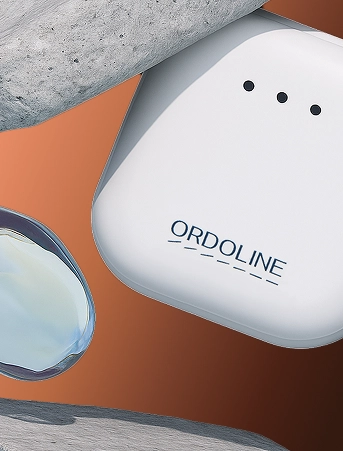
Aligners vs. braces
Aligners and braces are both tools to achieve effective orthodontic treatment. Each has strengths and limitations, depending on the case.
Both aligners and braces are effective treatment options.
The best approach depends on the clinical situation.
At Ordoline, in more complex cases, we use combination of techniques to achieve optimal and predictable treatment results.
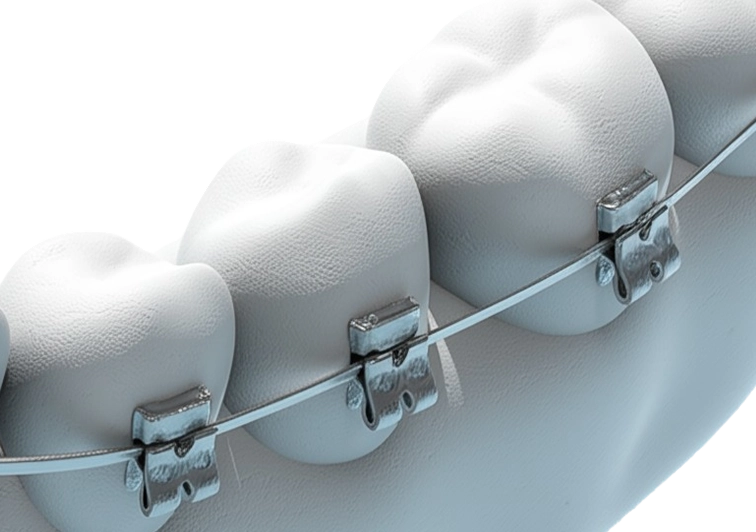
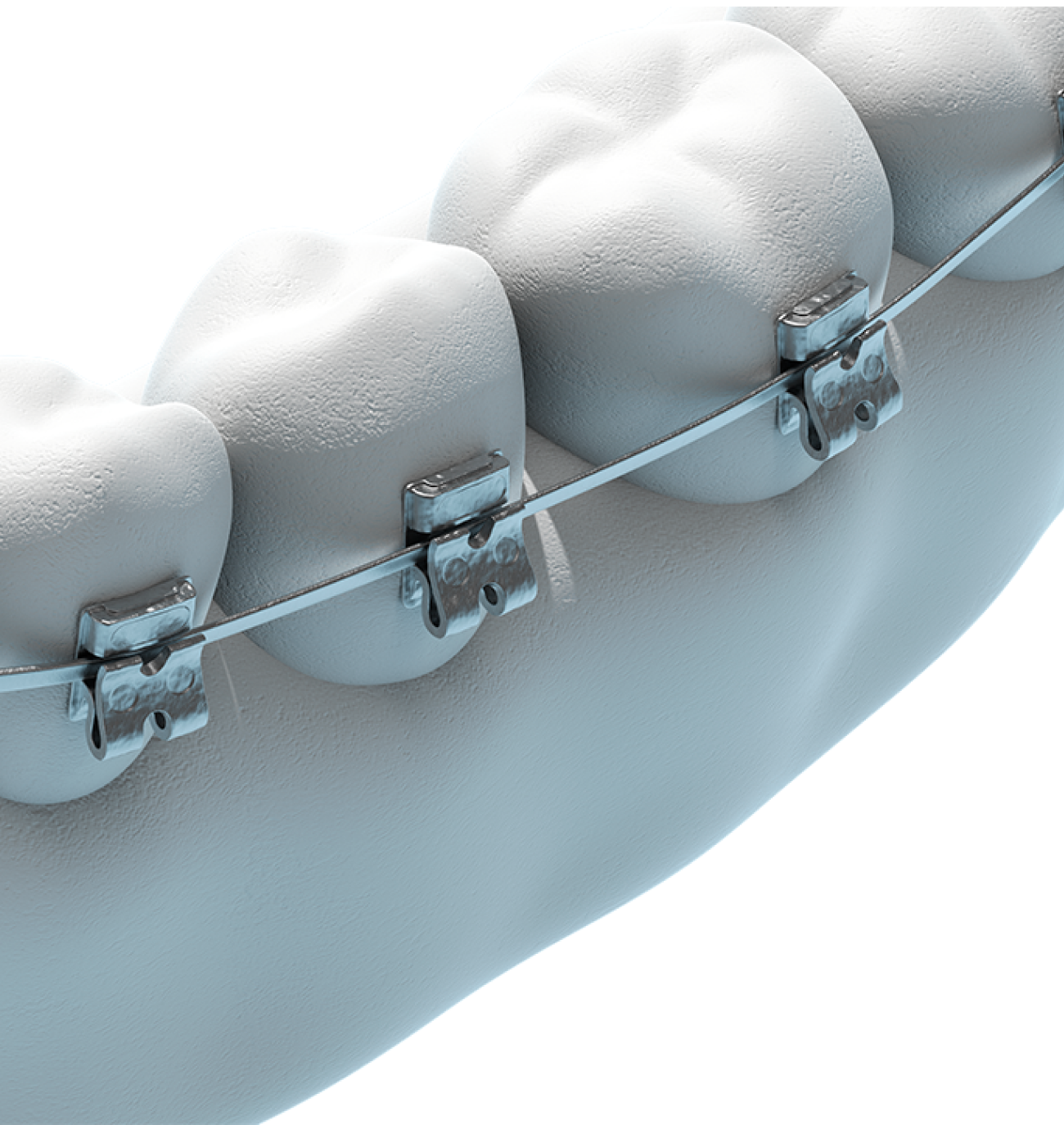
Braces
-
01
Visible and fixed
-
02
Stringer mechanical control (effective in some clinical situations)
-
03
Higher discomfort (especially after adjustments)
-
04
More difficult oral hygiene (plaque buildup around brackets)
-
05
More frequent visits (regular adjustments and possible emergencies)
Aligners
-
01
Nearly invisable and aesthetic
-
02
More comfortable overall (typically less pain and irritation)
-
03
Better oral hygiene (easier brushing, lower plaque buildup)
-
04
Fewer clinic visits (less chair time, fewer emergencies)
-
05
Flexible in daily life (removable for eating and cleaning)
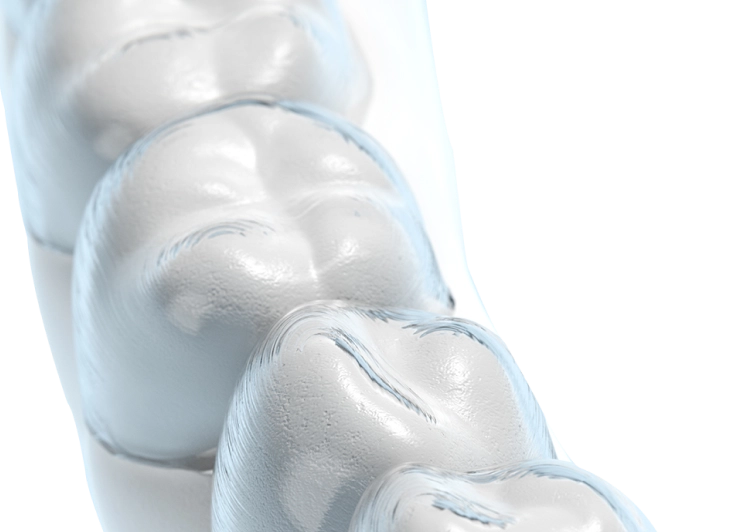
Ordoline Aligners
Braces
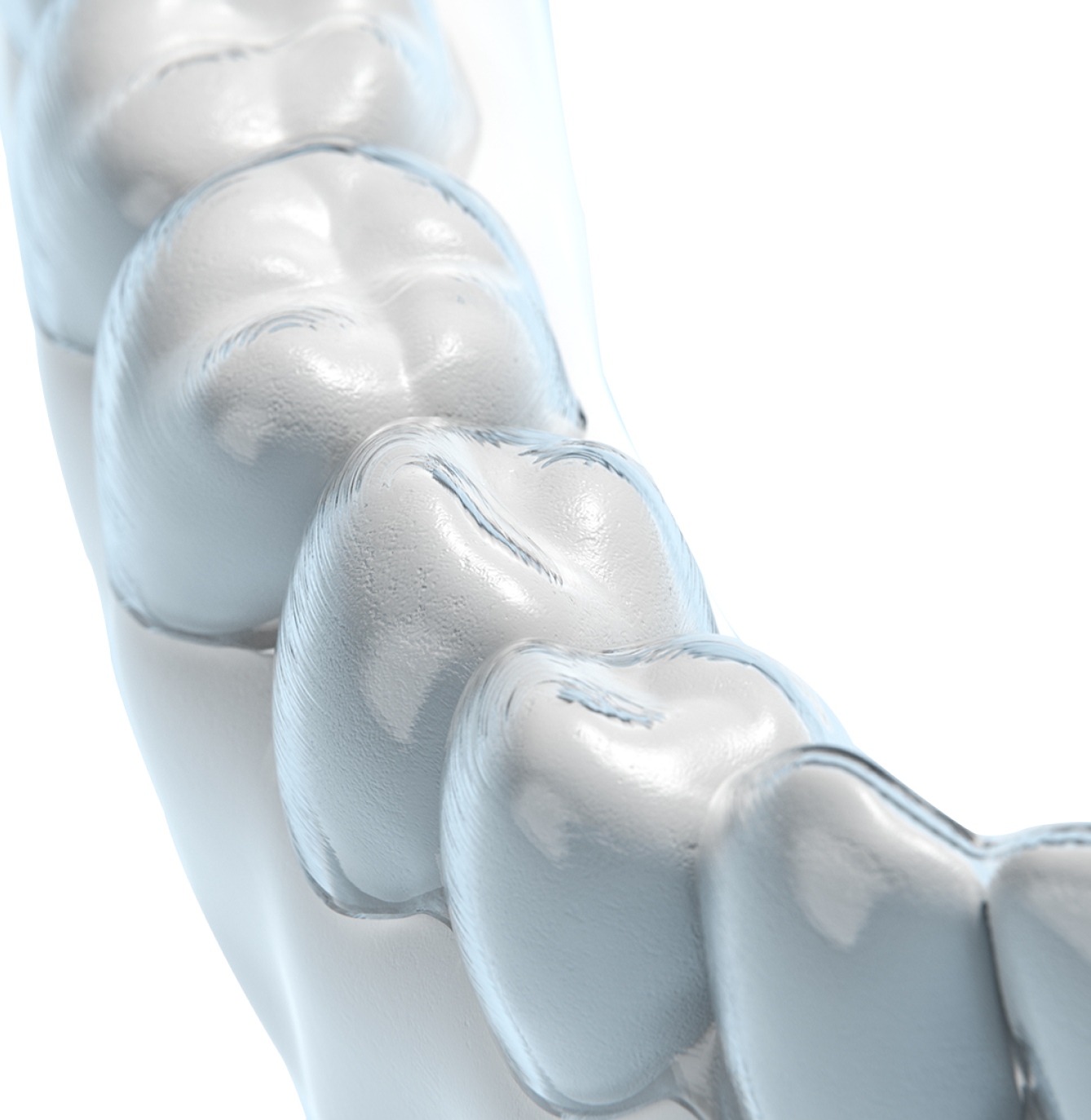
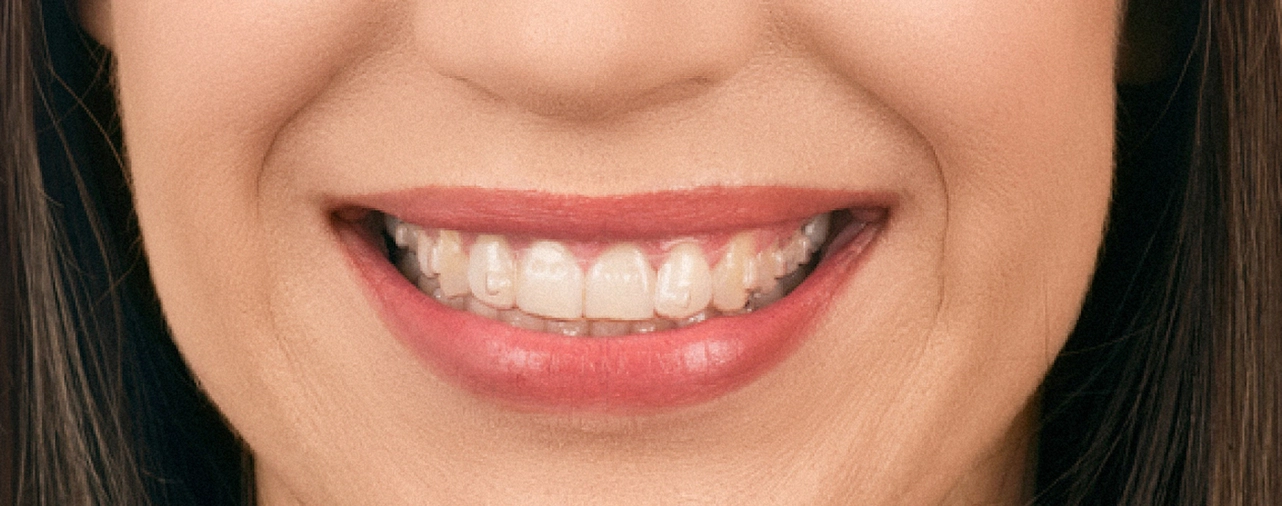
Ordoline is a clinically validated clear aligner system designed for full-range orthodontic treatment — from mild to complex malocclusions. It offers predictable outcomes, patient comfort, and minimal chair time through digitally planned protocols and high material precision.
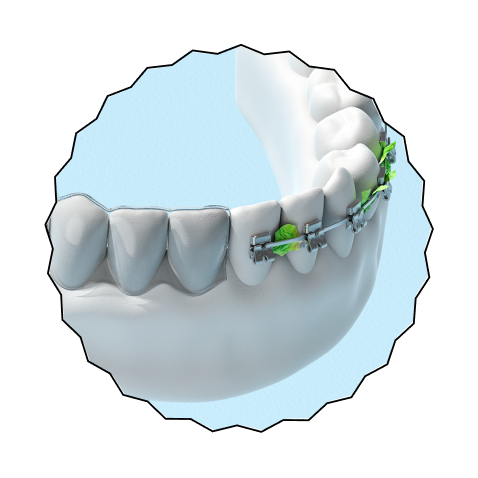
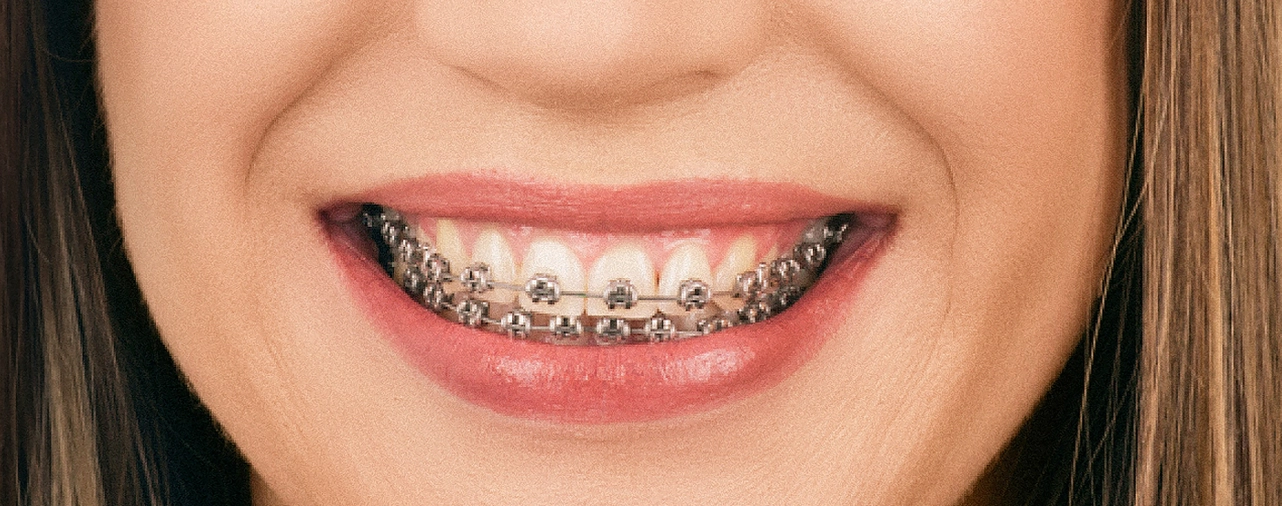
Braces are fixed appliances that apply mechanical forces through brackets and wires. They are effective for all malocclusion types but typically require more frequent follow-ups, higher patient management, and pose hygiene and comfort challenges.
01
Nearly invisible during treatment
01
Visible appliances, often perceived as less aesthetic
Rosvall et al., 2009
02
Generally associated with less pain and discomfort
02
Higher plaque levels and increased risk of gingival inflammation
Jiang etal., 2018
03
Lower risk of enamel demineralization
03
Higher incidence of white spot lesions
Albhaisi et al., 2020
04
Less patients appointments
(every 3-4 months)
04
Regular clinic visits
(almost every month)
05
Fewer visits to a clinic required, less emergency visits and less chair time
05
More frequent adjustment visits, higher likelihood of emegency visits and higher total chair time
Buschang et al., 2014
06
Treatment duration comparable or shorter in mild-moderate cases
06
Maybe be a longer treatment time depending on case complexity
Yunyan K et al., 2019


Become a partner
Work with a clinically-driven aligner system designed for predictable outcomes. We collaborate with dental professionals to deliver reliable results- from simple to complex cases.
Contact us